


HNTAS Explained:

Metering & Monitoring for Heat Networks

The UK’s heat network sector is evolving fast, with new standards, regulations registration requirements with OFGEM are now in play, from 27th January 2026 to ensure reliability, efficiency, and consumer protection.

A New Era for Heat Networks

At the heart of this change is the Heat Network Technical Assurance Scheme (HNTAS) (DRAFT), which will set out the benchmark for how heat networks should be designed, installed, and monitored.

For developers, building owners, and network operators, aligning with HNTAS will no longer be optional; it’s a legal requirement. DMS Metering Solutions, with 25 years of experience in metering and monitoring, provides the technology and expertise to help networks meet the proposed metering and monitoring standard confidently.

What is HNTAS and Why Does it Matter?

HNTAS is part of the UK Government’s commitment to improve heat network performance, consumer protection, and investor confidence.

Its focus includes:

  • Technical assurance at key lifecycle stages: design, construction, and commissioning
  • Ongoing performance monitoring to ensure efficiency and reliability
  • Data collection to support compliance and reporting

For heat network operators, this means demonstrating that the network works as intended and that residents are billed fairly and accurately inline with the key foundation of milestone 2 – metering and monitoring.
If you can't measure it, you can't ensure efficiency

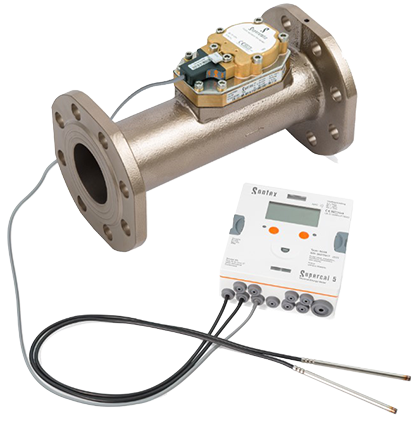
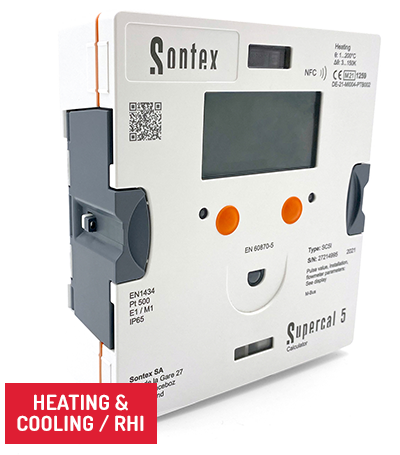
An accurate, robust metering and monitoring package which is fit for purpose is essential.

How can DMS Metering Solutions support your journey to HNTAS Compliance?

End-to-End HNTAS Support

DMS can support projects throughout the full HNTAS lifecycle, including

  • Initial Heat Network Survey support
  • Meter selection, specification, and supply
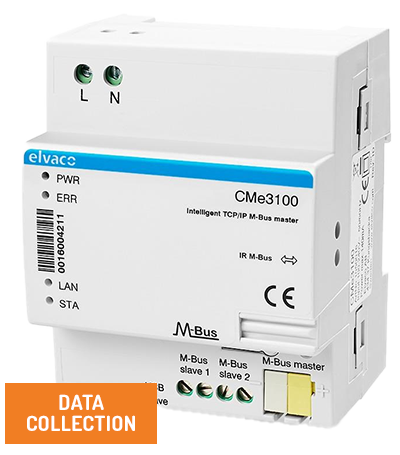
  • Integration with Elvaco systems for data collection
  • Ongoing data access, review, and performance insight
  • Monitor performance against technical standards
  • Identify and resolve inefficiencies quickly
  • Maintain clear documentation for assurance and compliance

How DMS Supports HNTAS and Regulatory Compliance

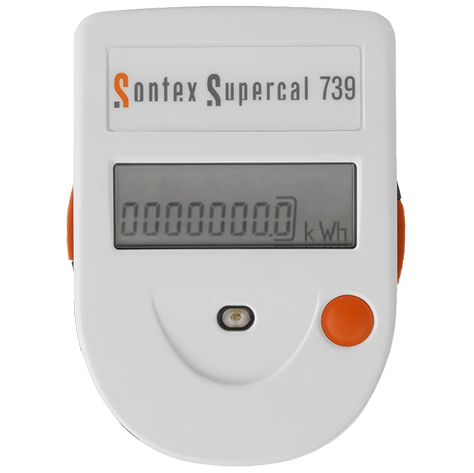
Accurate Heat Metering

Our heat meters provide precise measurement of energy usage, ensuring developers and operators have reliable performance data to meet HNTAS requirements.

Reliable Water Metering

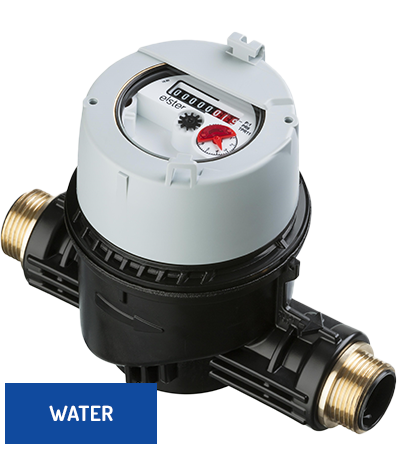
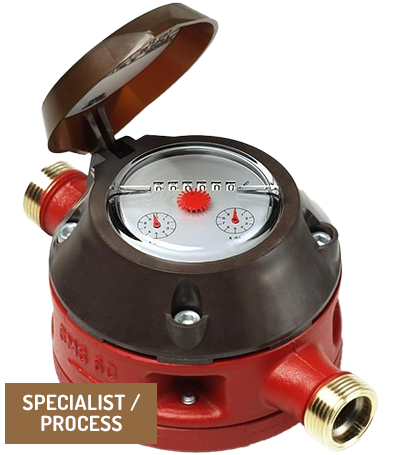
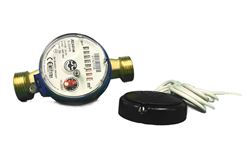
Water consumption monitoring is also essential for HNTAS compliance. DMS supplies high-quality water meters for both individual dwellings and communal plantroom applications.

Gas Metering in the Plantroom

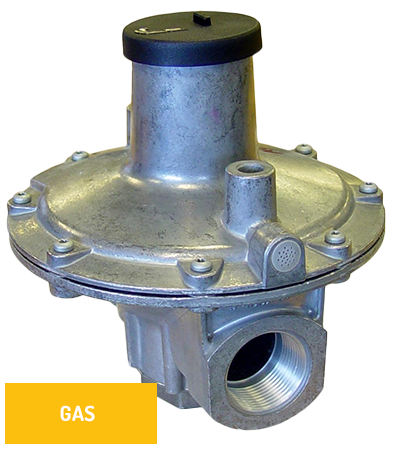
Gas metering is required to understand the primary energy input to the heat network. DMS supplies plantroom suitable gas meters to support efficiency calculations and HNTAS reporting.

Electric Metering in the Plantroom

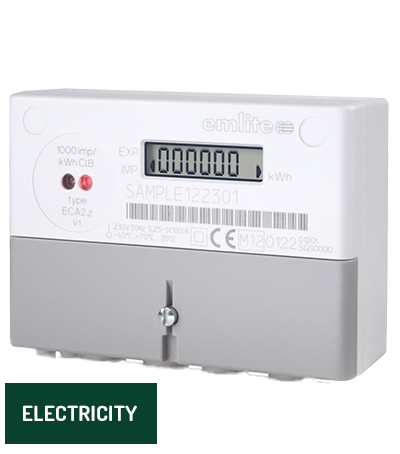
Electric metering allows accurate monitoring of electrical inputs such as pumps, controls, and plant equipment. This data supports full system performance analysis under HNTAS.

Integrated Metering Panels

DMS metering panels bring together heat, water, gas, and electric meters into a single, organised solution. These panels collect, display, and store consumption data, making it easier to monitor network performance and provide clear KPI’s for HNTAS compliance.

DMS Metering Solutions

DMS supports heat networks at every stage, from early design through to long-term operation. Our systems help operators:

  • Track performance against technical standards
  • Identify and address issues early
  • Maintain clear documentation for assurance and compliance
  • Prepare confidently for HNTAS gateway reviews

Why Choose DMS Metering Solutions

  • 25 Years of Experience supporting UK residential, commercial, and district heat networks

  • Trusted Technology Partners including Sontex, Apator PoWogaz, Elvaco, and Honeywell

  • Future-Ready Solutions designed to support evolving standards, including HNTAS

  • Expert Guidance on integrating metering into new and existing heat networks
When HNTAS becomes the standard for heat networks in the UK, having reliable metering systems is no longer a luxury; it’s a necessity.

DMS Metering Solutions

We offers the technology, experience, and support to help your network meet these requirements with confidence.

Contact us today to discuss our 'Hand-held' approach to the metering and monitoring standard for HNTAS (DRAFT).

Frequently Asked Questions (FAQ)

Yes. The Heat Network Technical Assurance Scheme (HNTAS) is being introduced under powers in the UK Energy Act 2023 and will be a mandatory compliance scheme for heat networks once fully launched. It requires networks to meet technical and performance standards and demonstrate this through assessments and certification.
HNTAS will apply to all heat network developers, operators, and owners in Great Britain. This includes both new build heat networks and, after a transitional period, existing heat networks that have to demonstrate compliance with minimum technical standards and ongoing performance monitoring.

HNTAS compliance depends on robust metering and monitoring, including accurate measurement of heat delivered, water consumption, and plantroom inputs (such as gas and electricity) so that performance data can be collected and reported. This forms a core part of demonstrating that networks meet the scheme’s technical requirements.
Yes. Existing heat networks will also need to comply with HNTAS, but they are expected to have a transition period. During this period, they must establish accurate metering and monitoring and demonstrate performance improvements to meet the prescribed standards before certification is awarded.

If a heat network does not meet the minimum standards at the required assessment stages, it will not receive HNTAS certification. Without certification, operators may not be able to legally certify the network’s compliance, leading to regulatory consequences and requirements to implement improvement plans until the scheme meets technical assurance criteria
Currently, there is no UK-wide legal requirement for regular recalibration or periodic verification of heat meters, unlike gas or electricity meters.
The existing Heat Network (Metering and Billing) Regulations 2014 require heat meters in certain applications but do not specify testing intervals or replacement schedules.
However, proposed updates within the Heat Network Technical Assurance Scheme (HNTAS) are expected to introduce stricter accuracy and verification requirements in the future.
Yes, DMS can support ambient loop applications using compatible heat and cooling meters.
In most systems, heating and cooling energy are measured separately using dedicated registers, with the platform interpreting the data for billing and reporting purposes.
True MID-certified fully bi-directional heat meters are uncommon, so most installations use dual-register heat/cooling metering solutions.
An encrypted M-Bus network typically refers to the meter communications rather than the logger or gateway itself.
Wired M-Bus systems are generally unencrypted because they operate over a secure physical cable network within the building.
Wireless M-Bus systems commonly use AES encryption at the meter level to protect data transmitted over radio communication.